

Proofreading and Editing Services: Precision for Scientific Writing
With a team of PhD scientists at its core, WeScience scientific proofreading and editing removes every barrier between your work and your audience, delivering manuscripts, grant proposals and presentations that are precise, compelling and publication-ready
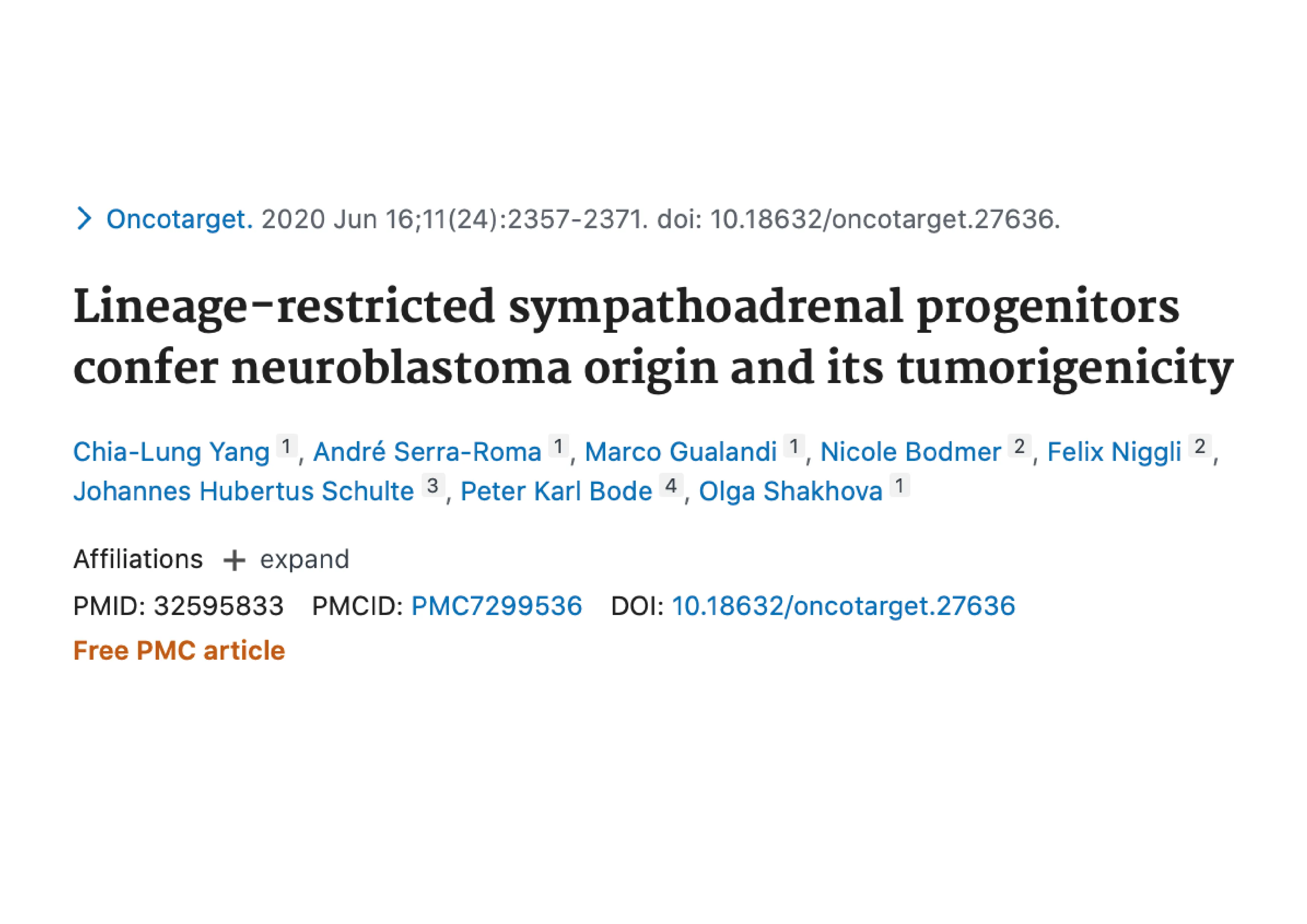
Pediatric oncology research publication
Journal: Oncotarget
Category: Scientific manuscript editing / Pediatric oncology / Developmental neurobiology
WeScience delivered expert scientific editing for a landmark neuroblastoma study, revealing that lineage-restricted sympathoadrenal progenitors - not neural crest stem cellsv- drive tumor origin. The research identifies a key SOX transcription factor signature, including SOX9, with major implications for diagnosis, prognosis and targeted therapies in pediatric cancer.
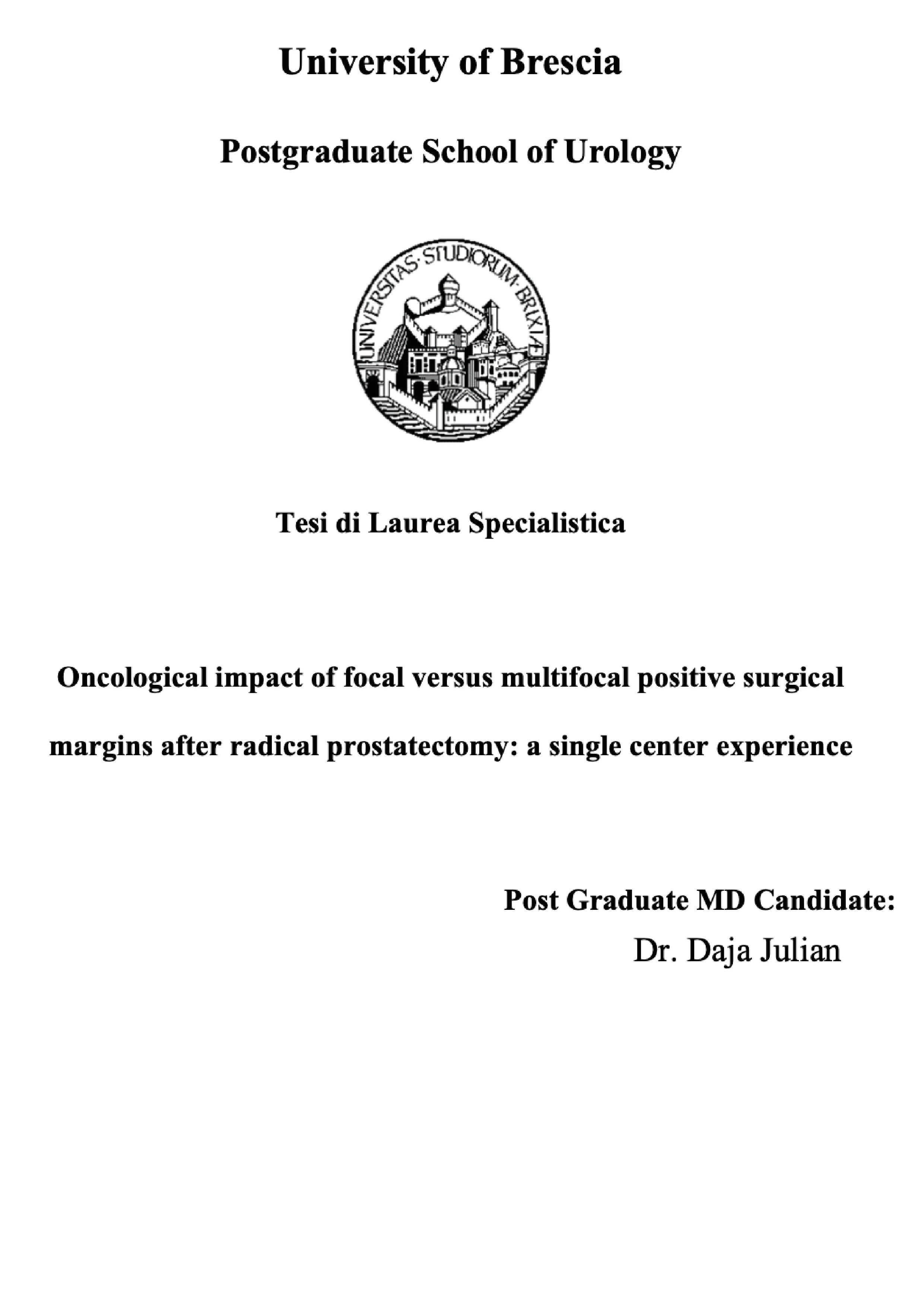
Urology medical thesis - University of Brescia
Institution: University of Brescia, Postgraduate School of Urology
Category: Medical thesis editing / Urology / Surgical oncology
WeScience provided expert proofreading and editing for a postgraduate urology thesis at University of Brescia, examining the oncological impact of focal vs. multifocal positive surgical margins after radical prostatectomy. The study offers valuable clinical insights for prostate cancer prognosis and post-operative management.
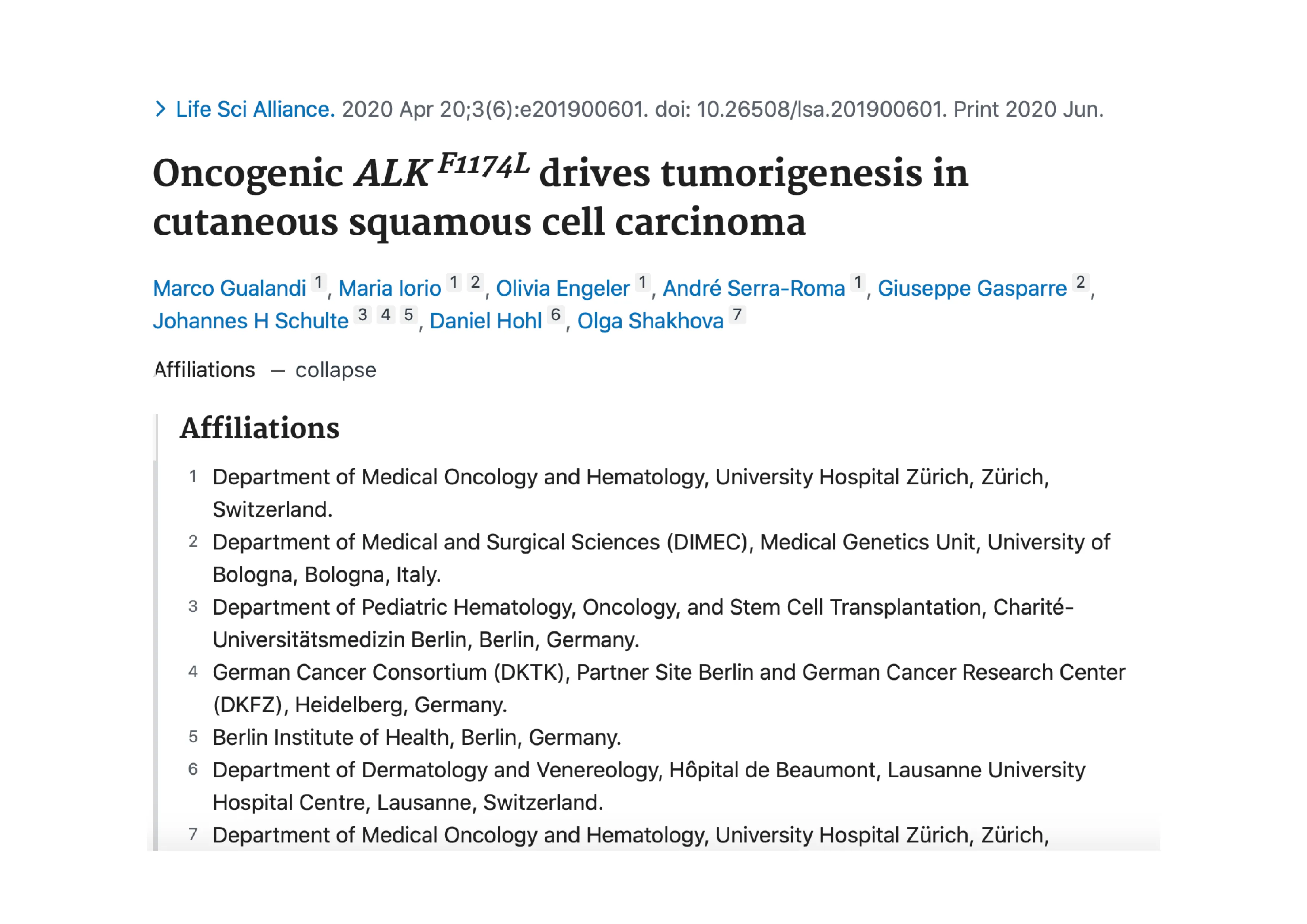
Oncology research publication
Journal: Life Science Alliance
Category: Scientific manuscript editing / Oncology / Dermatology research
WeScience provided expert scientific editing for a peer-reviewed oncology study on ALK mutation (ALKF1174L) in cutaneous squamous cell carcinoma (cSCC). The research shows ALK drives tumorigenesis, cooperates with KRAS and p53 alterations and identifies STAT3 as a key pathway - highlighting ALK as a promising therapeutic target in skin cancer.
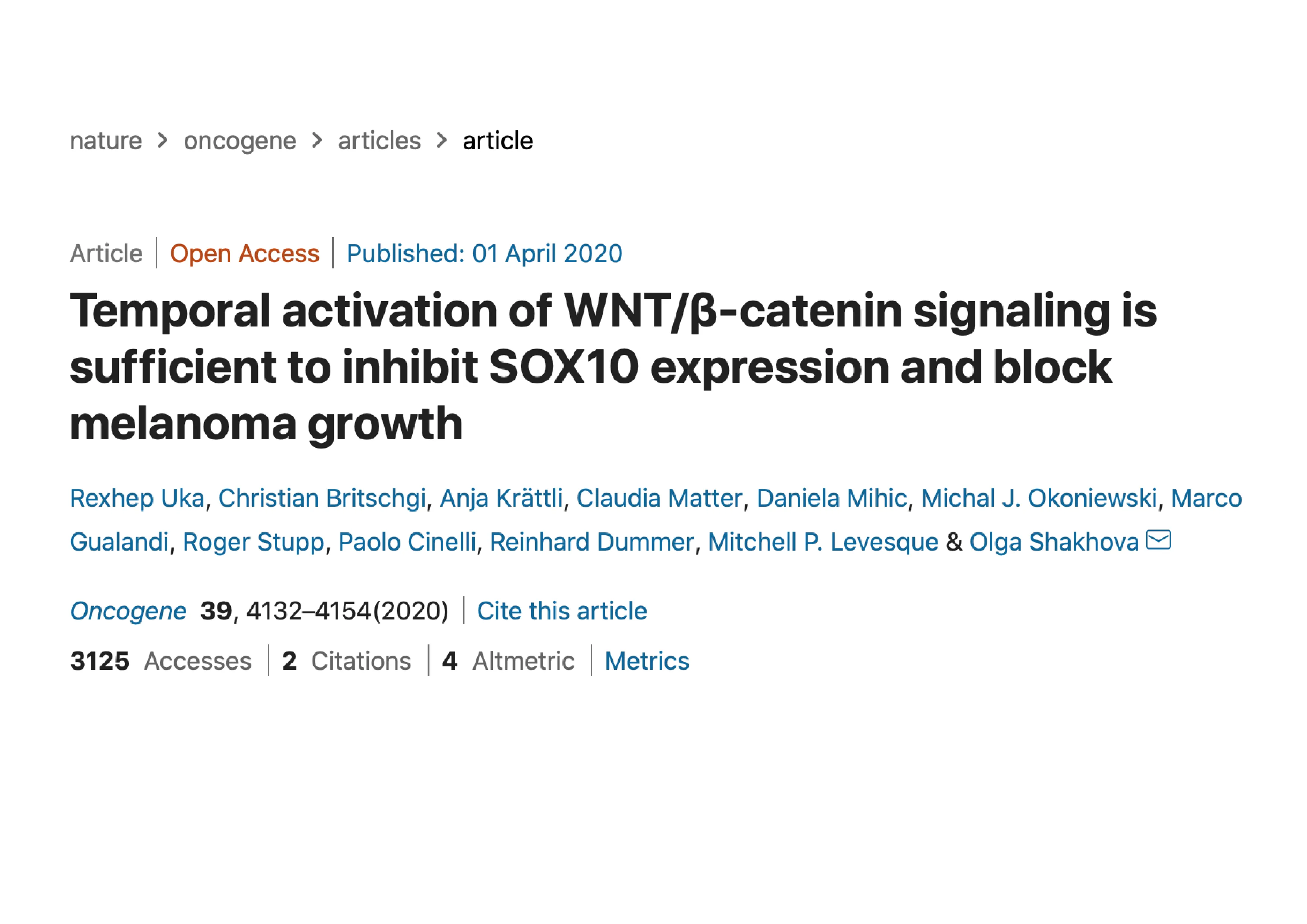
Melanoma research publication
Journal: Oncogene (Nature)
Category: Scientific manuscript editing / Oncology / Molecular dermatology & Cancer biology
WeScience provided expert scientific editing for a high-impact Oncogene publication on metastatic melanoma. The study reveals that MEK and RAF inhibitors fail to suppress SOX10, identifies a SOX10–β-catenin interaction and shows GSK3 inhibitors can target SOX10 - highlighting a novel therapeutic strategy to overcome melanoma treatment resistance.
Request a Quote
Whether you need scientific editing, publication support, visualization, animation, or consulting, WeScience provides end-to-end scientific communication solutions tailored to your project.Contact us to request a quote and start your collaboration with WeScience.


